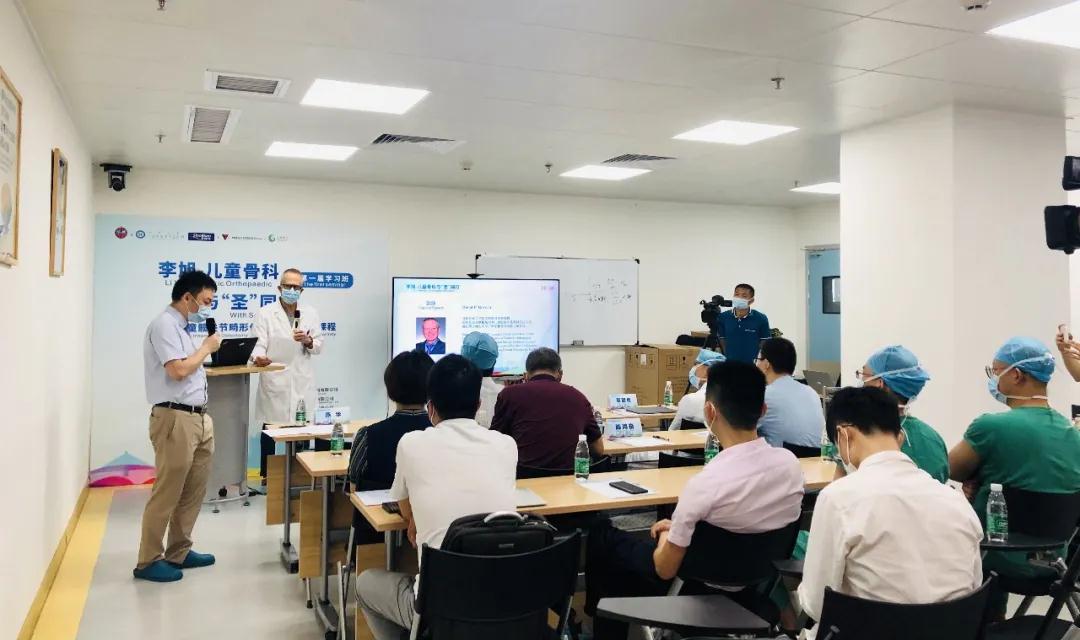
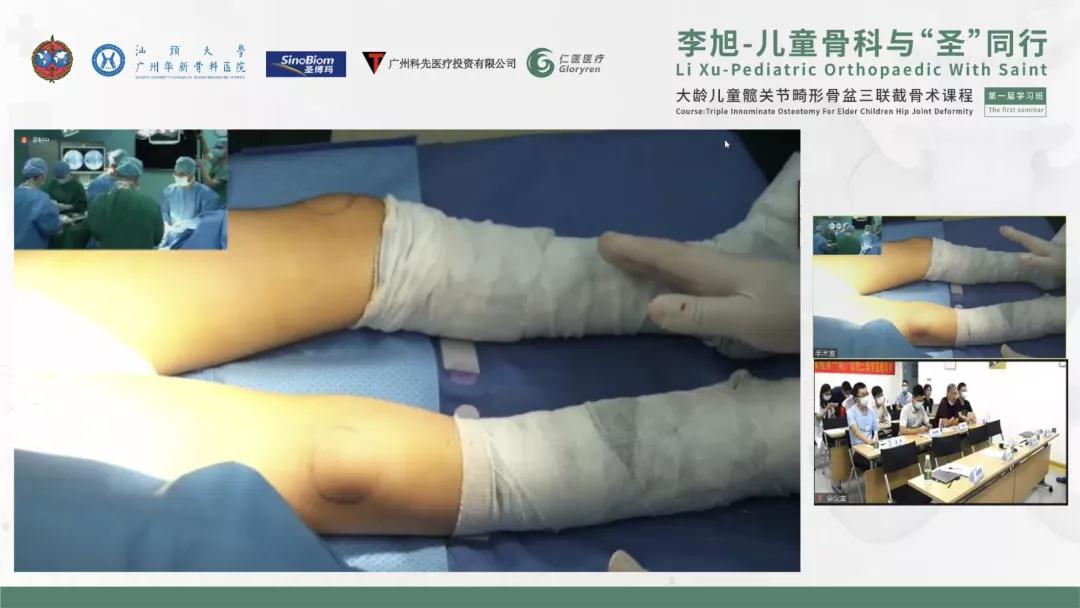
Livestream venue
On the afternoon of September 30, the Pediatric Orthopaedics Committee of the SICOT China Section and Guangzhou Huaxin Orthopedic Hospital of Shantou University, together with Changchun Sunboma Biomaterials Co., Ltd., Guangzhou Kexian Medical Investment Co., Ltd., and Guangzhou Renyi Medical Technology Co., Ltd., held the first Li Xu pediatric orthopedic surgery livestream training course: “Minimally Invasive Triple Pelvic Osteotomy” for hip dislocation in older children with cerebral palsy. The course was successfully completed. The atmosphere on site was filled with enthusiasm for learning, providing pediatric orthopedic colleagues across the country with a high-level academic event.
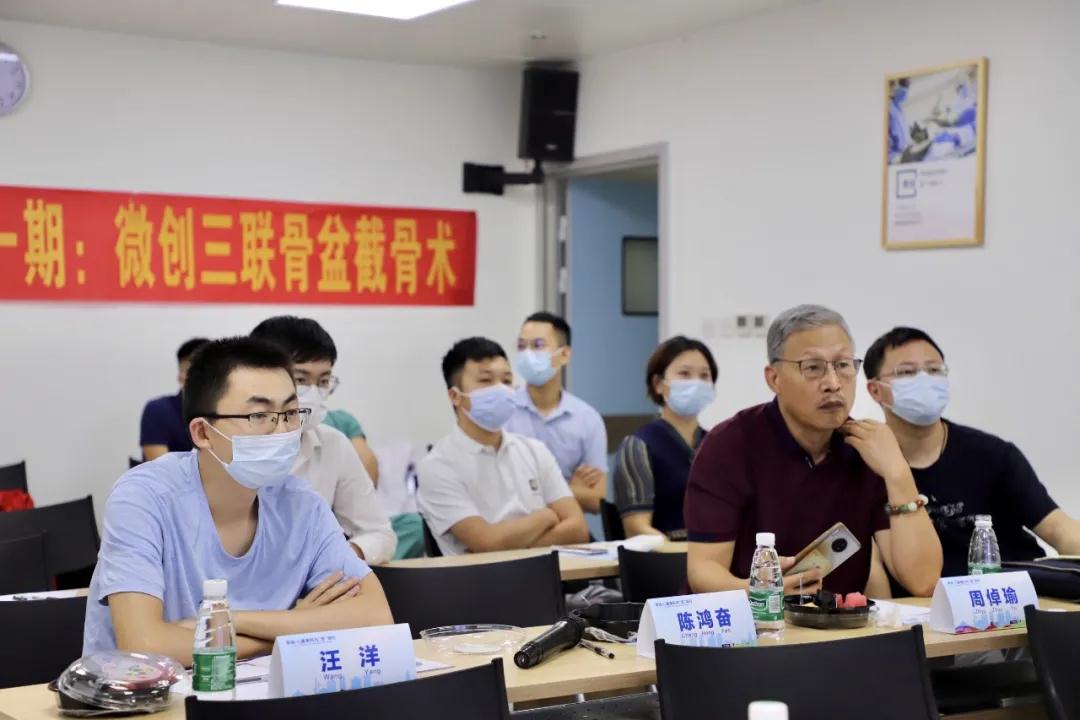
A total of four trainees were recruited for this course to participate in offline learning and discussion. The livestream attracted more than 46,000 online views. Pediatric orthopedic colleagues across China watched the livestream together and exchanged views on diagnostic and treatment concepts for hip dislocation in older children with cerebral palsy. Many colleagues commented in the livestream chat that there was “so much practical content that it was impossible to take it all down in a notebook.”
☆ Event Review ☆
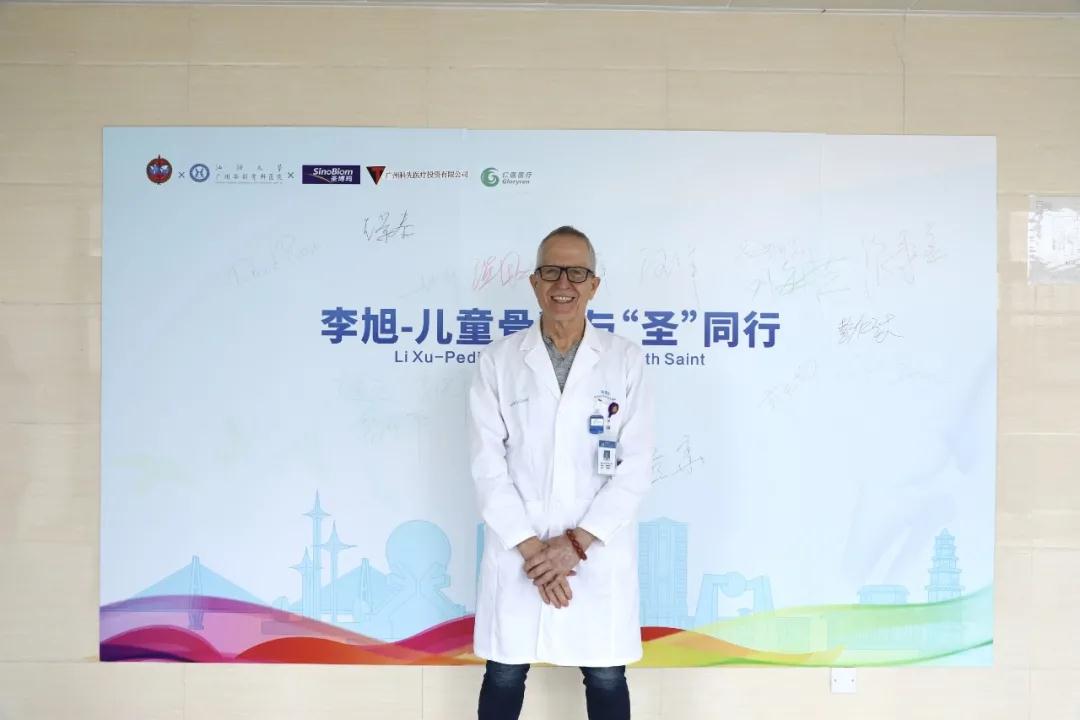
Registration and check-in
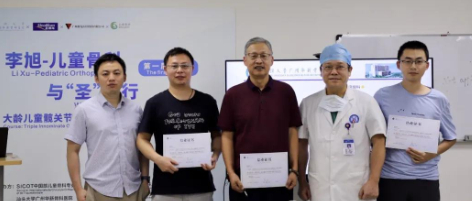
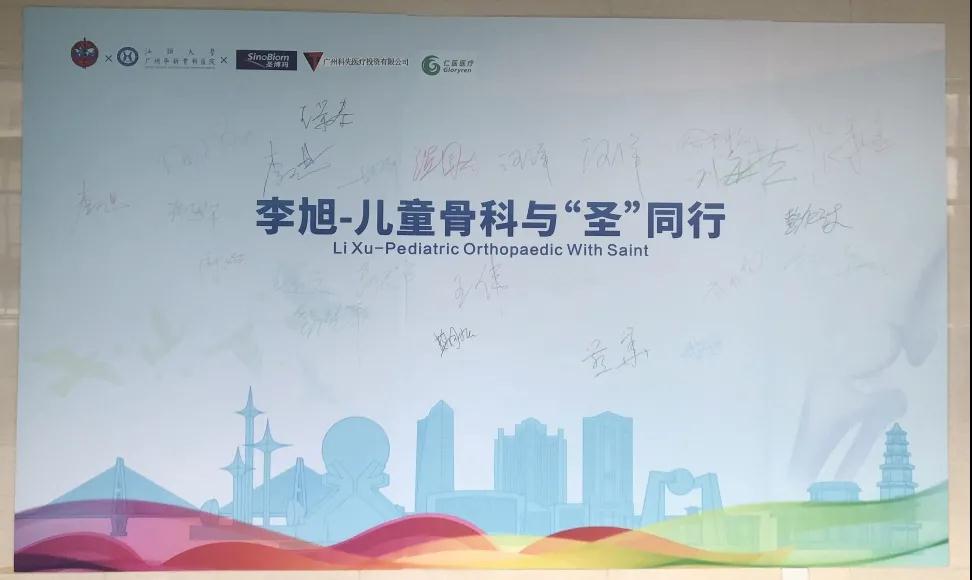
This course was held both online and offline. A total of four trainees were recruited, and before the livestream began, participants signed in and took a group photo as a keepsake.
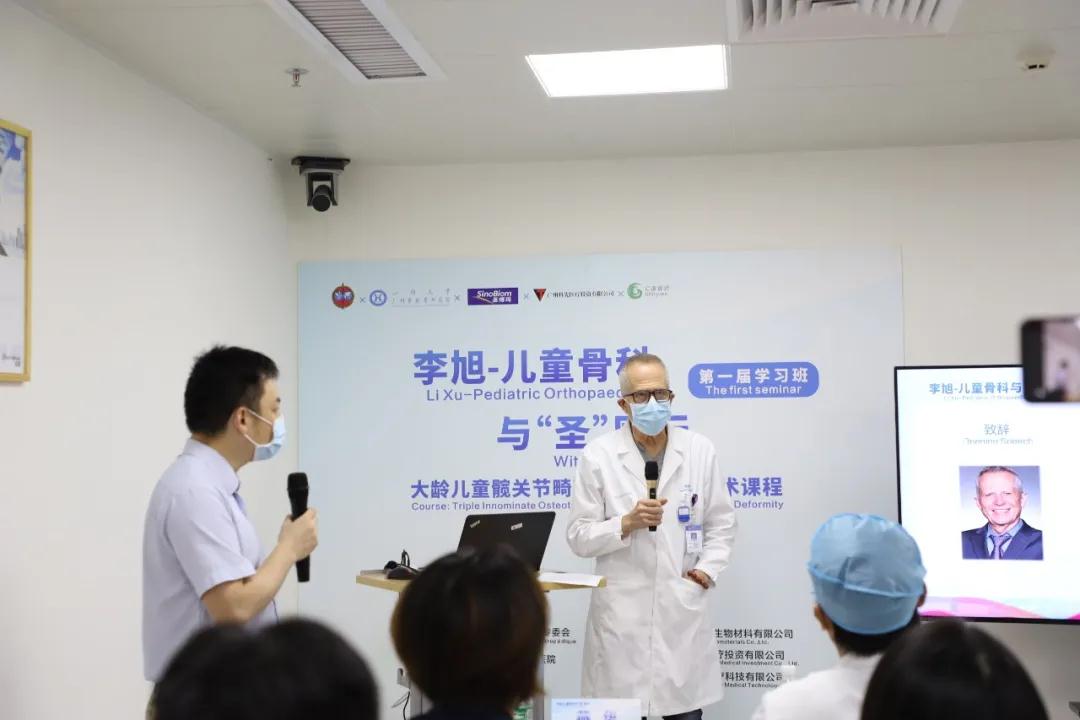
Opening remarks
At the beginning of the meeting, Professor David of Guangzhou Huaxin Orthopedic Hospital of Shantou University delivered opening remarks. He introduced to the guests the efforts and progress made in recent years together with Huaxin Pediatric Orthopedics in areas such as correction of pediatric limb developmental deformities and the assessment and treatment of cerebral palsy. He also expressed sincere thanks to the many pediatric orthopedic colleagues who actively participated in the course. Finally, he briefly discussed the advancement and necessity of minimally invasive triple pelvic osteotomy for hip disorders in older children with cerebral palsy.
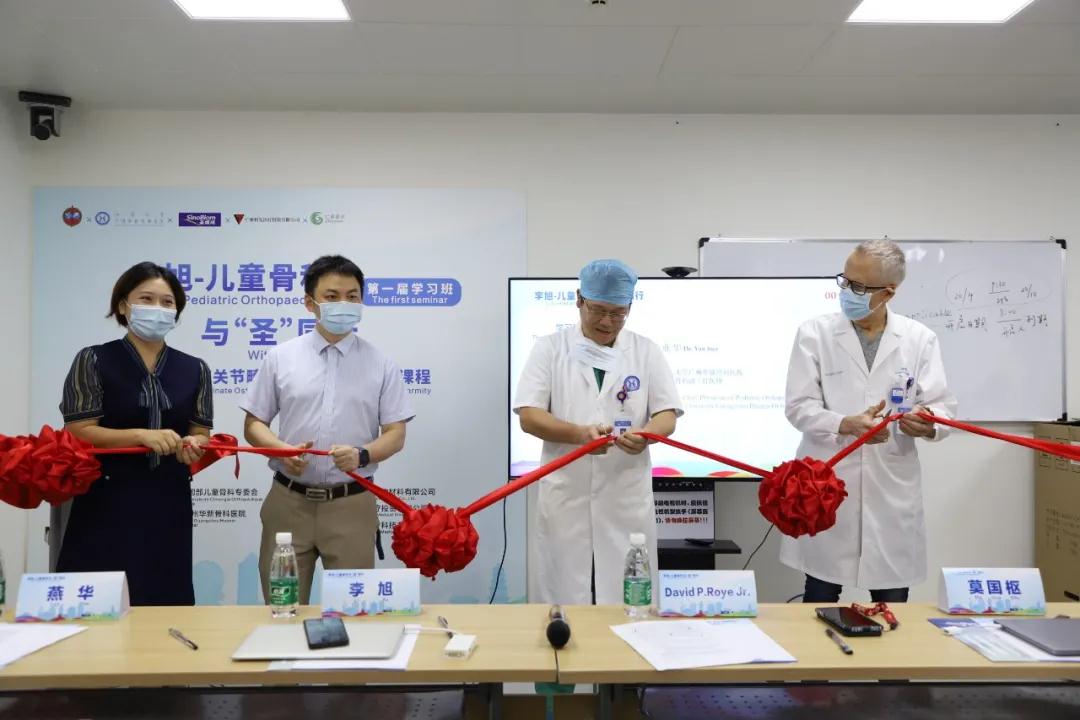
Launch ceremony
To celebrate the successful opening of the first training course under the “Walking with Sunboma” course project, a collaboration between Guangzhou Huaxin Orthopedic Hospital of Shantou University and Changchun Sunboma Biomaterials Co., Ltd., a ribbon-cutting launch ceremony was held.
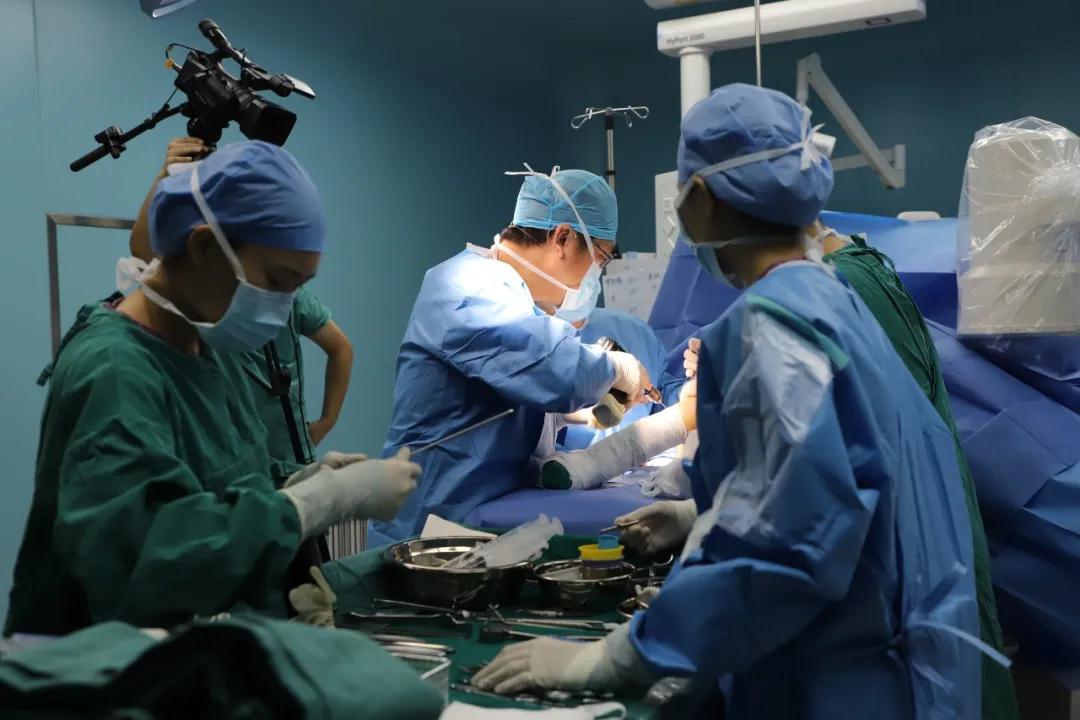
Surgical livestream
Surgical case: Luo **, male, 6 years old, born prematurely at 29 weeks by cesarean section, with a history of hypoxia at birth. He stayed in an incubator for more than one month. He denied any positive family history. At 2 months of age, he was diagnosed with cerebral palsy at a local hospital and has undergone evaluation and rehabilitation treatment since then. He came to our hospital for further treatment.
The surgery used the Huaxin Pediatric Orthopedics team’s original “minimally invasive triple pelvic osteotomy.” The surgical incision was only 5 cm, which is also the smallest incision reported in the literature to date for similar procedures. Better results without requiring a large incision also satisfied the patient’s family—why not choose such an approach?
Expert lecture
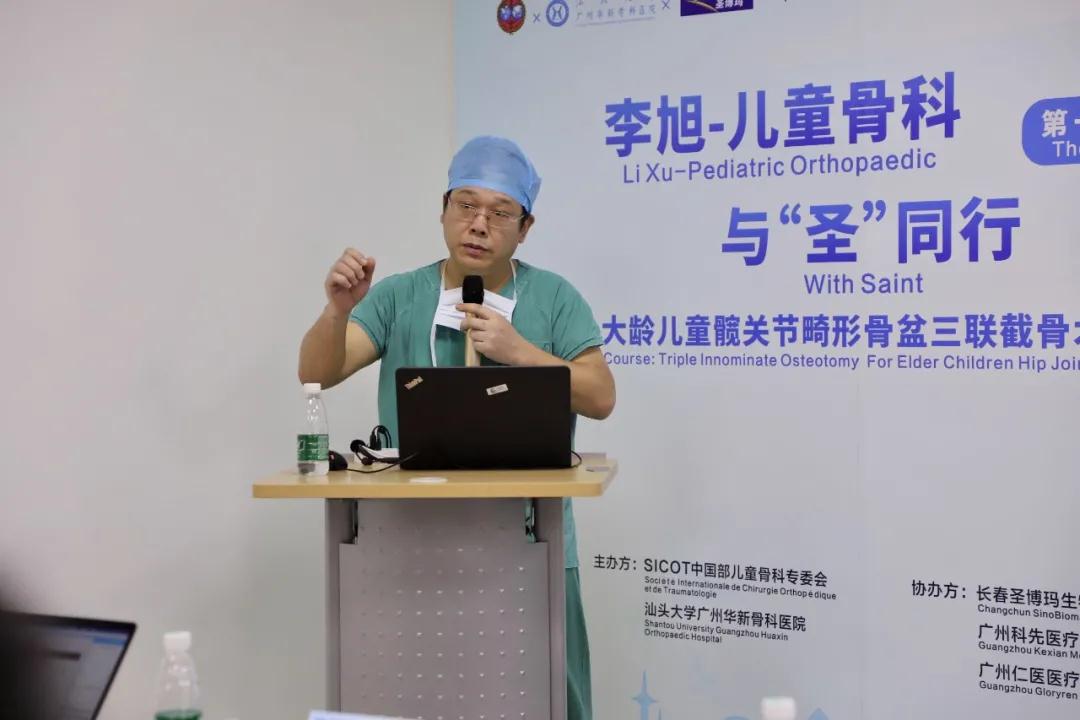
Professor Li Xu, Vice Chair of the Pediatric Orthopaedics Committee of the SICOT China Section and academic leader of Pediatric Orthopedics at Guangzhou Huaxin Orthopedic Hospital of Shantou University, prepared an excellent presentation to share the team’s original “minimally invasive triple pelvic osteotomy” and the systematic preoperative diagnosis, treatment, and assessment of hip dislocation in older children with cerebral palsy. He also answered and supplemented each question raised by participants.
Case sharing
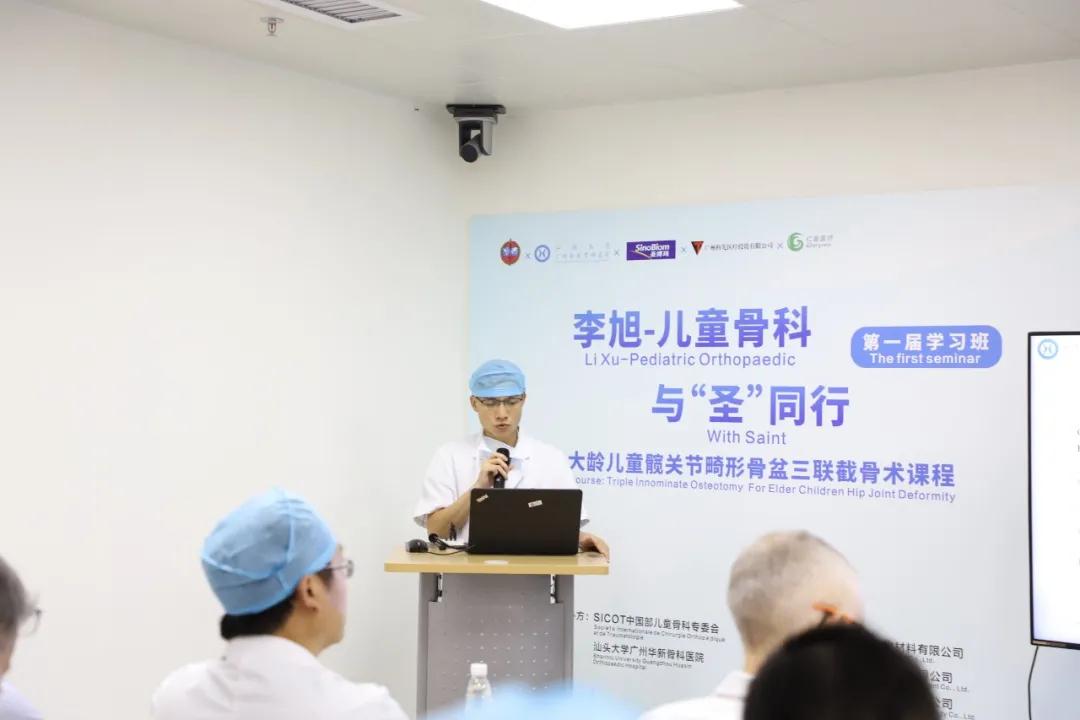
Dr. Mo Guoshu from the Department of Pediatric Orthopedics at Guangzhou Huaxin Orthopedic Hospital of Shantou University shared a case presentation titled “Triple Pelvic Osteotomy: Reconstructive Surgery for Cerebral Palsy–Related Hip Deformity.”
As a procedure with strong corrective capacity for acetabular deformity, triple pelvic osteotomy can correct almost all types of acetabular deformities in older children. Through further refinement of this procedure, we have further reduced interference with and damage to the adductor muscle group, iliac epiphysis, and gluteus medius, shortened the surgical incision, and reduced operative time and blood loss. This provides more complete correction of hip deformity in children, supports better future hip development and functional improvement, and helps children move toward a better life.
By summarizing typical cases of hip dislocation in older children with cerebral palsy treated by the department in recent years, the team reviewed advanced experience from aspects such as index analysis, preoperative physical examination and assessment, postoperative outcomes, and video gait comparison. The session was full of practical insights and left participants eager for more.
Successful conclusion
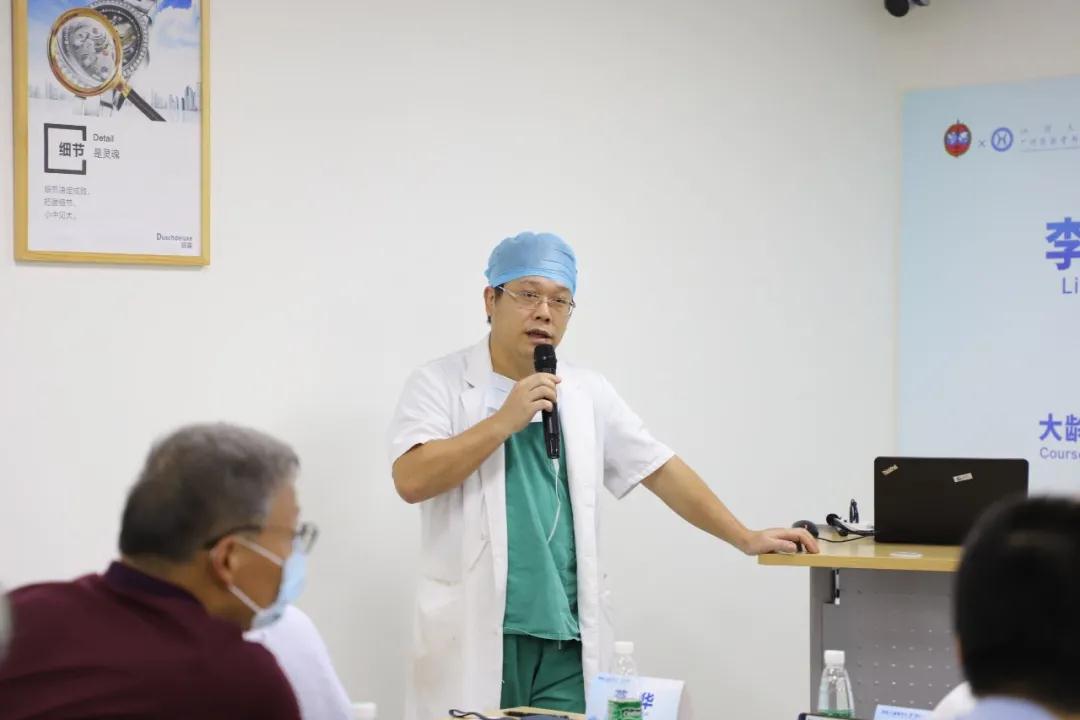
Finally, Professor Li Xu summarized the key points of the livestream course using several keywords and thanked all colleagues for their active participation.
Professor Li Xu presented beautifully designed completion certificates to the trainees and took a group photo with them. With this, the course came to a successful close. However, our “journey” continues. Please stay tuned for the next course.
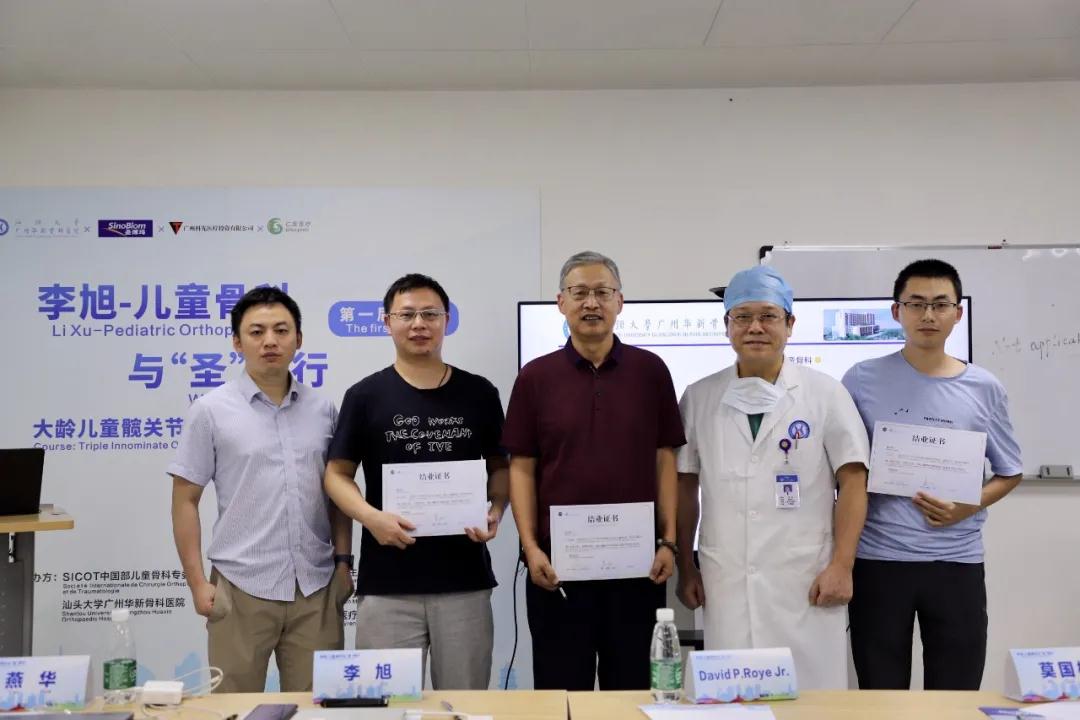
Professor Li Xu presents certificates to the trainees
For many years, the Department of Pediatric Orthopedics at Guangzhou Huaxin Orthopedic Hospital of Shantou University has focused deeply on the standardized assessment and treatment of pediatric limb deformities and cerebral palsy. In particular, since 2020, the hospital has introduced Professor Emeritus David P. Roye Jr. of Columbia University, founder of the Weinberg Family Cerebral Palsy Center at Columbia University and the first Chief of Pediatric Orthopedics at Morgan Stanley Children’s Hospital, together with the world-class medical team he leads, as technical support. Leveraging these strengths, we established Southern Cerebral Palsy Center, China’s first pediatric orthopedic surgeon–led cerebral palsy treatment center. The department has reached a new level of development and has become a leading team at the forefront in China. Vigorously promoting the development of pediatric cerebral palsy treatment in China is a responsibility we must undertake. We hope to have more opportunities to strengthen exchanges with pediatric orthopedic colleagues across the country, discuss and learn together, cultivate more “young talent,” and jointly advance a new era in cerebral palsy treatment.
To make it easier for colleagues who were unable to watch the livestream in time, we will later provide the livestream replay video of this training course. Guangzhou Huaxin Orthopedic Hospital of Shantou University will continue to offer a series of surgical livestream training courses. We hope to exchange ideas, learn together, and make progress with pediatric orthopedic colleagues throughout China, so that more patients with cerebral palsy can receive timely and standardized treatment. The second course is coming soon—please stay tuned. Thank you for your attention.